Hell's Gate history in brief
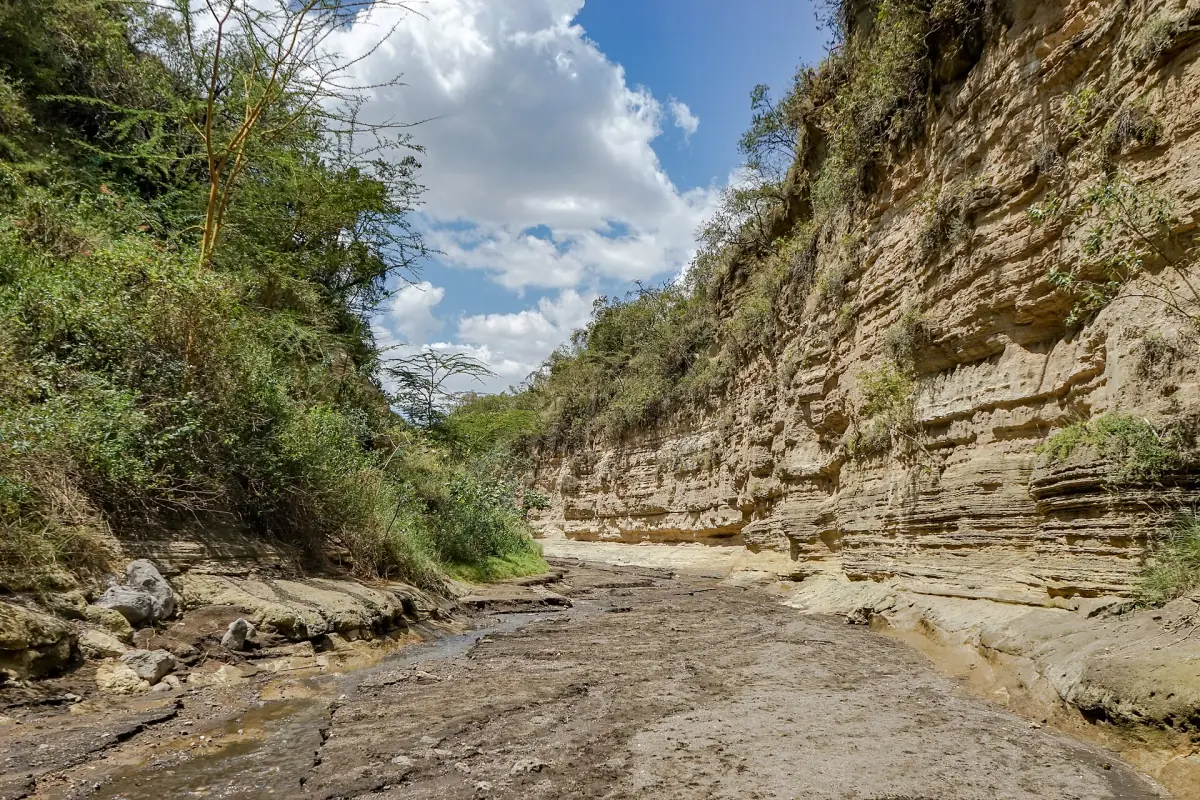
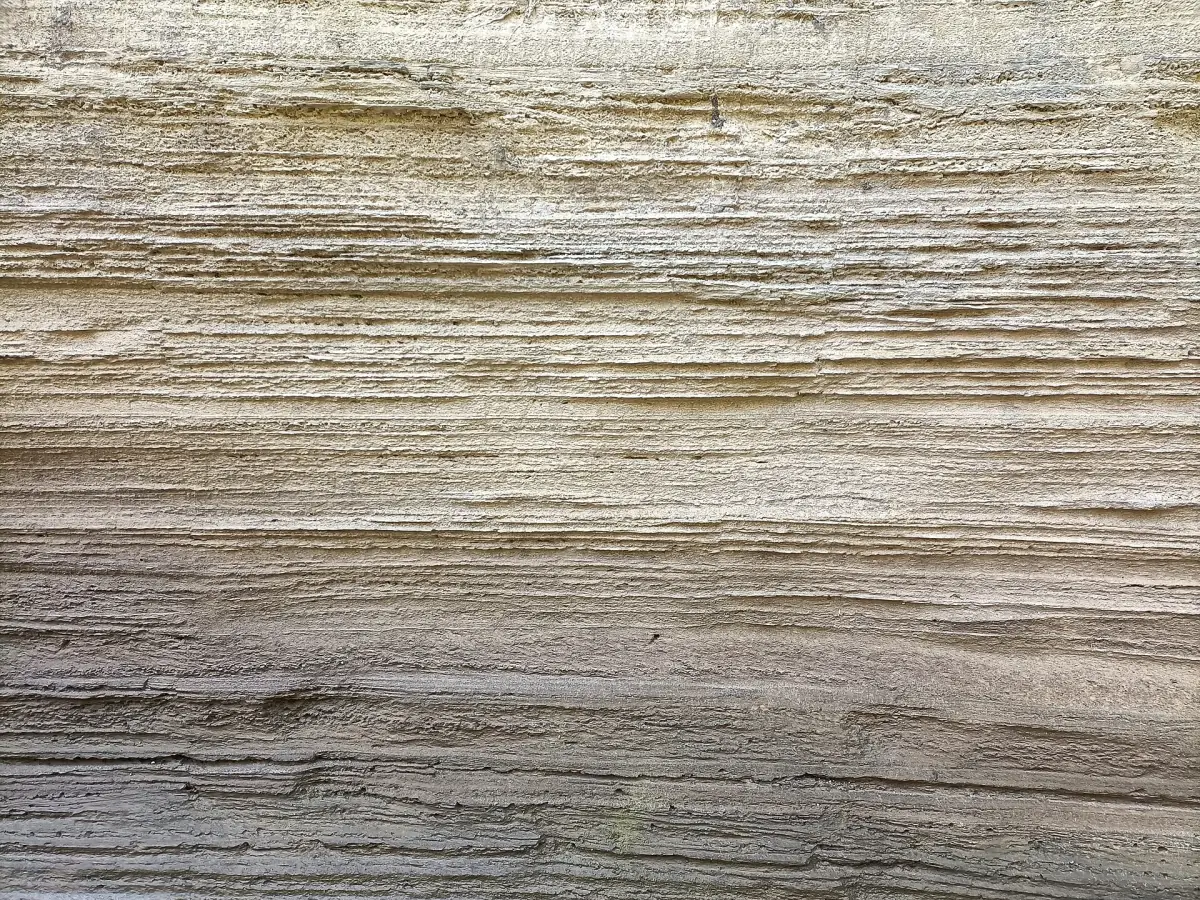
Hell's Gate was once the outlet of a prehistoric freshwater lake. That old outflow is the background to the gorge and the cliffs you see today. The park takes its name from the gorge.
The protected area is much younger. Legal Notice 13 of 2 February 1984 created Hell's Gate National Park, with an area of 68.25 km². The land is managed by the Kenya Wildlife Service (KWS). Today the park is known for cycling, cliffs and its geothermal power stations. If you want to see the landscape yourself, compare Hell's Gate day trips from Nairobi.
Hell's Gate timeline
The dates that matter, in order.
| When | What happened |
|---|---|
| Long before the park | A prehistoric freshwater lake drains through the outlet that became the gorge |
| 2 February 1984 | Legal Notice 13 creates the national park |
| 2010 to 2015 | A KWS management plan covers Hell's Gate together with Mount Longonot |
| 22 April 2012 | A flash flood comes through the gorge on a Sunday evening |
| 1 September 2019 | A second flash flood kills seven people |
| 30 June 2023 | Kenya submits the area for UNESCO's tentative list |
The tentative list is a first step, not a World Heritage inscription. For most visitors, the 2012 and 2019 floods are the dates that matter in practice, because they explain why the gorge is treated with care. Read the section below before you plan any walk.
Our pick: a guided day in the park
A guided day trip is an easy way to see the park and the lake it sits beside, with a professional guide to take you around.
Hand-picked tours, booked through Viator. Prices are indicative starting prices in US dollars (as of October 2026). Tap a tour for live availability and the current price in your currency.
Hell's Gate tours and day trips
See the cliffs, the plains and the gorge area on a guided trip, with live prices and availability.
Rocks, towers and the old lake outlet
What the landscape tells you about the past.
Fischer's Tower
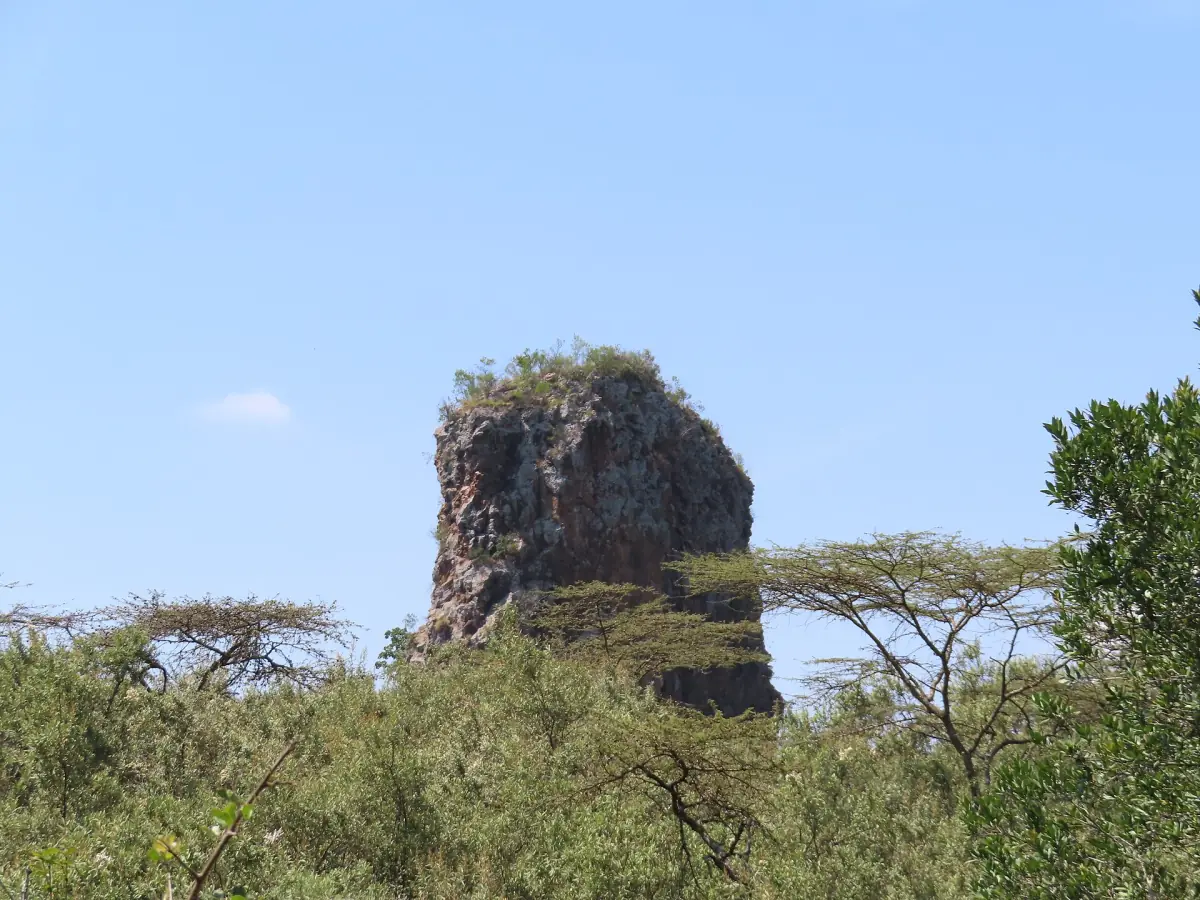
Fischer's Tower is a rock column 25 m high, made of material that rose into a crack and hardened. It stands near the main gate and is named after Gustav Fischer. See the Fischer's Tower guide.
Central Tower and the caves
Central Tower and the Obsidian Caves are geological features of the park. Do not assume that you can enter the caves. Ask KWS before you plan a visit.
Joint management with Longonot
The 2010 to 2015 management plan covered Hell's Gate and Mount Longonot together. For the volcano on the other side of the lake, see Mount Longonot.
Steam and pipes
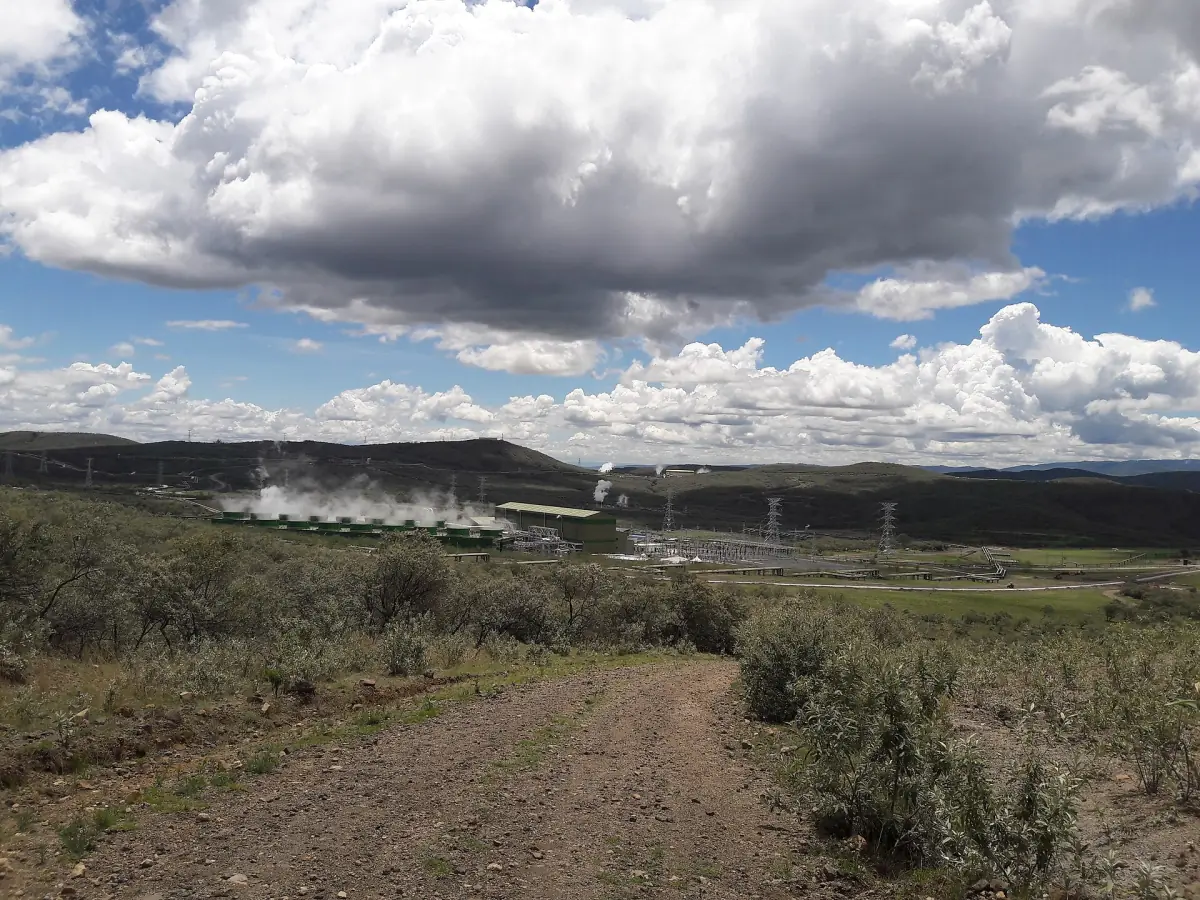
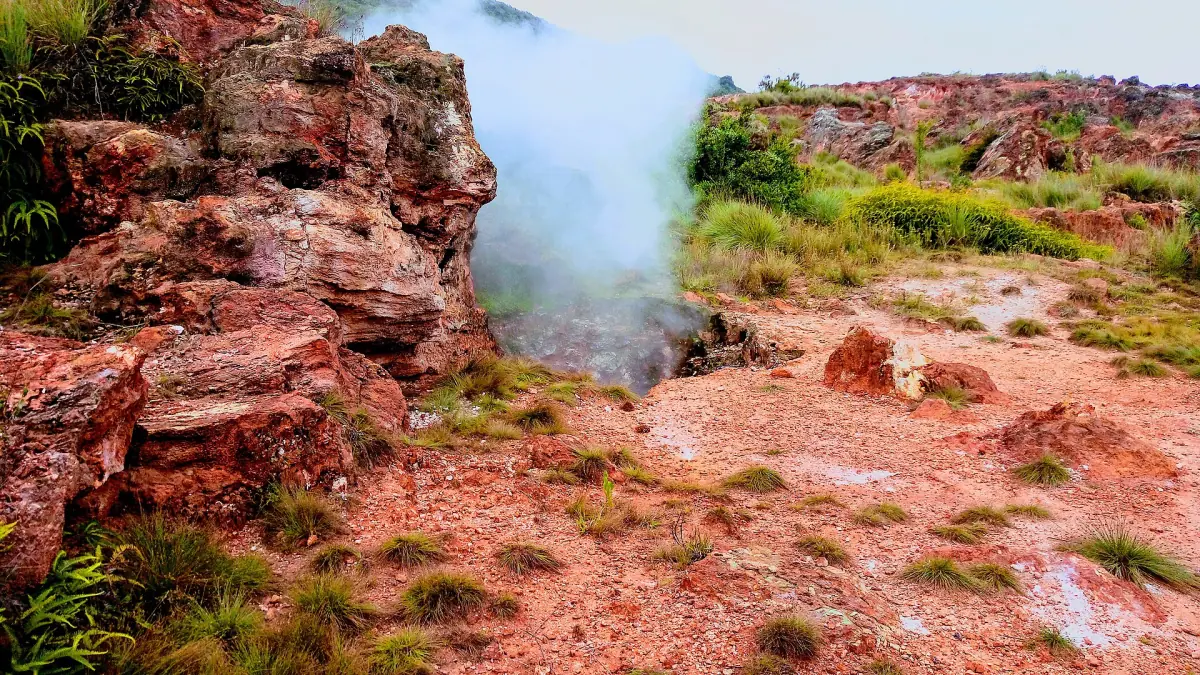
The power stations separate steam from water. The steam goes to the power plant, and the separated water is pumped back underground. The pipes along the roads belong to this system. They are not an invitation to enter operating areas.
Vulture cliffs
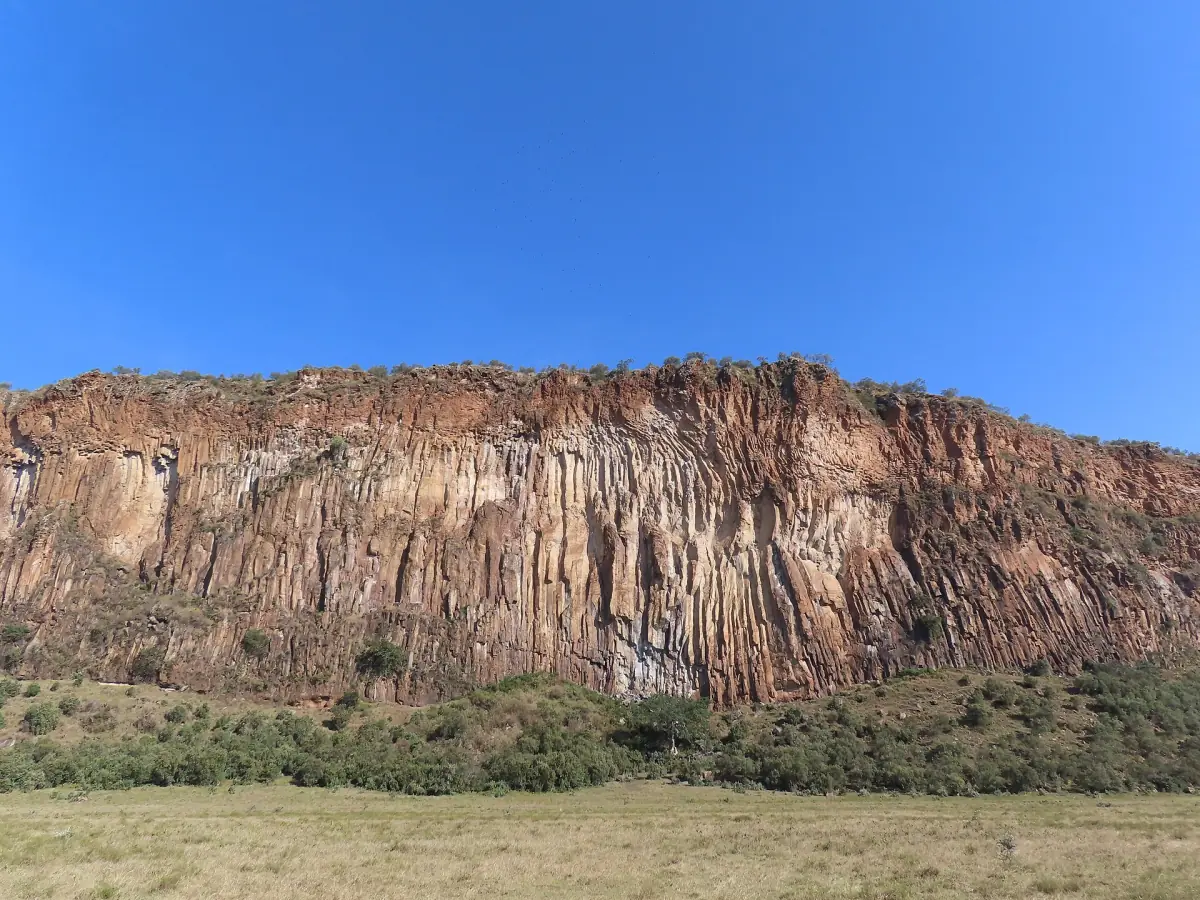
The cliffs are important nesting sites for Rüppell's vultures, which is part of why the park matters for conservation. The wildlife guide covers the animals.
Hell's Gate tragedy: the flash floods of 2012 and 2019
The facts, stated plainly.
On the evening of Sunday, 22 April 2012, a flash flood came through the gorge. At first, one death and six missing people were counted. The next day the toll stood at seven. On 1 September 2019, a second flash flood killed seven people, among them members of a tourist group.
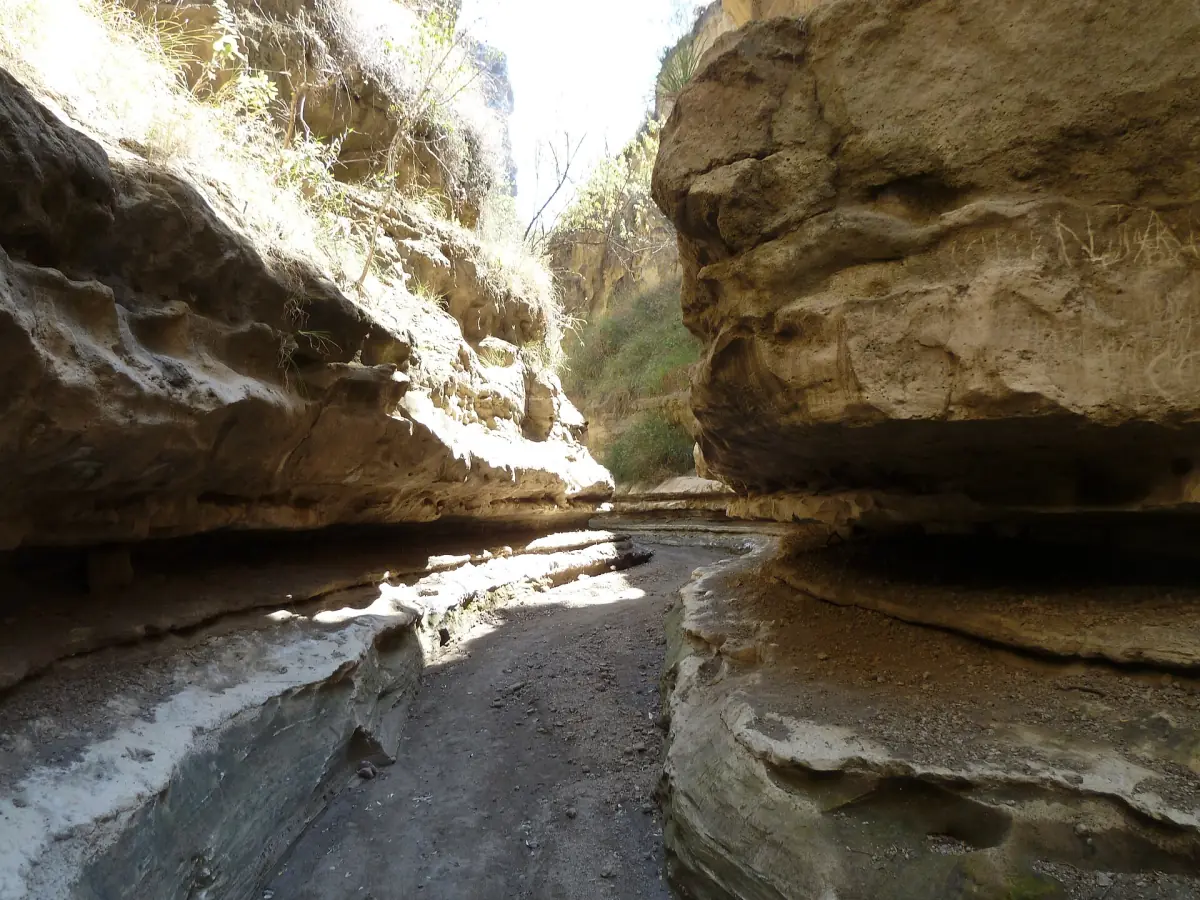
After the 2019 flood the gorge was closed to visitors. The gorge was reopened later, but access still changes. Confirm the current status with KWS before you plan a descent into the narrow lower gorge.
Both floods show one point. Rain outside the park can send dangerous amounts of water through the gorge, even when the sky above you is dry. Read the Hell's Gate weather guide and the gorge guide for what that means for your visit.
Power stations, a film story and the park today
The park also lies beside geothermal power stations, called Olkaria I to V. KenGen runs several of them, but not all. Olkaria III belongs to a separate private operator. Conservation groups have raised concerns about light, noise and vibration from development in the area. You can read about the plants and the spa in the Olkaria guide.
Hell's Gate is also often said to have inspired the setting of The Lion King. Film makers are said to have visited in 1991 to study the landscape and the animals. The director has said that Pride Rock was invented in Burbank, so no rock in the park is the real one. The Lion King page sets the story out.
Explore more of Hell's Gate
Where the history shows in the landscape.
Hell's Gate history: frequently asked questions
When was Hell's Gate National Park established?
Legal Notice 13 of 2 February 1984 created the national park. It covers 68.25 km².
Why is it called Hell's Gate?
The name is tied to the gorge, which was the outlet of an ancient lake.
What happened in the gorge in 2012 and 2019?
A flash flood came through the gorge on 22 April 2012, and seven people died. A second flood on 1 September 2019 killed seven people. Rain outside the park can send water through the gorge.
Is the gorge open to visitors today?
The park can be open while the narrow lower gorge is not. Confirm the status with KWS before you plan a descent, and follow every closure.
Was The Lion King filmed in Hell's Gate?
The film is animated, so nothing was filmed on location. Hell's Gate is often said to have inspired the setting, and film makers are said to have visited to study the landscape. Pride Rock itself was invented.
Is this website run by KWS?
No. This is an independent travel guide and is not run by or connected to the Kenya Wildlife Service or any operator.